What Family Bibles Can Tell Us That Official Records Cannot
If you ask most people where genealogical research begins, they'll say census records or a subscription to Ancestry.com. And those are real starting points. But for many African American families, some of the most significant documentation of their ancestry isn't sitting in a federal archive. It's sitting on a shelf in someone's living room, tucked between worn pages, in the form of a family Bible.
This isn't a nostalgic observation. It's a historical fact with real implications for how we approach research.
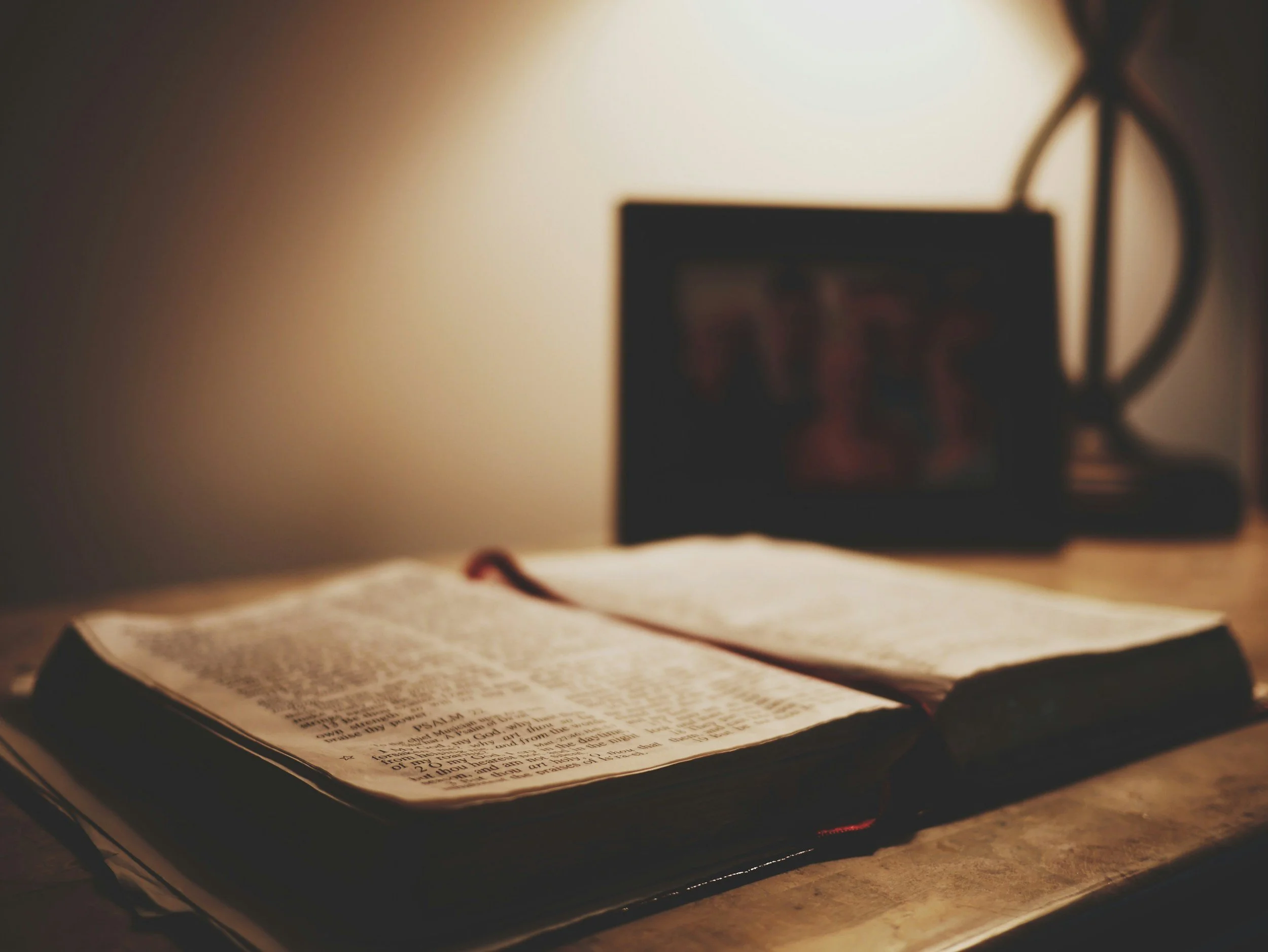
Why Bibles Became Record Books
Why Bibles Became Record Books
During and after enslavement, access to official vital records was limited, and for many families, nonexistent. Birth certificates, marriage records, and death certificates as we understand them today weren't consistently maintained at the state level until the early twentieth century, and even then, African American families were often excluded from those systems, underdocumented within them, or forced to use segregated recordkeeping processes that were less carefully preserved.
Black families, like many families throughout American history, turned to the tools they had. The family Bible was often the most accessible and permanent object in a household. Generations of families used the pages—the flyleaves, the title pages, the margins, or loose papers tucked inside for safekeeping—to record births, marriages, and deaths. They wrote in careful handwriting the names and dates that no county clerk was recording on their behalf.
These entries weren't incidental. They were intentional acts of preservation. The families who wrote those names down knew, on some level, that the official record couldn't be trusted to do it for them.
What We Find When We Look
In our research, we've found family Bibles that contain information spanning multiple generations containing the names of enslaved ancestors, the names of slaveholders, the names of children born after emancipation. We've found entries in multiple hands across decades, each generation adding to a record the previous one began.
We've also worked with families who had a Bible but hadn't looked closely. When they did, they found names they'd never heard, relationships that clarified confusing branches in the family tree, and dates that confirmed or contradicted family oral history in ways that opened entirely new lines of research.
One client recently told me that the most significant moment in her research happened before she ever hired us. She was going through her mother's home after her mother's death, and she almost set aside a worn Bible that had been passed down for decades. Something made her pause. Inside were names she didn't recognize in handwriting she did (her mother's, from childhood). That combination of the familiar and the unknown is something I hear often in this work.
If pieces like this on the records, the objects, and the history behind your family's story resonate with your own search, you can join my newsletter here.
How to Read a Family Bible for Research
If you have a family Bible, or if someone in your family might, here's how to approach it as a research document rather than just an heirloom.
Look everywhere. Family records in Bibles aren't always in an obvious location. They might be written on the pages before the Old Testament begins, on the pages between the Old and New Testaments, on the inside covers, or on loose papers tucked inside. Some Bibles have dedicated family record pages; others have handwriting crammed into whatever space was available.
Transcribe everything you see before you do anything else. Record the name, the date, and the nature of the event — birth, marriage, death — exactly as it appears, including any inconsistencies or unclear spellings. Note which hand wrote which entries if you can tell, and whether entries appear to be from different eras. This creates a stable record you can work with without repeatedly handling a fragile document.
Treat every name as a research lead. The names in a family Bible aren't limited to direct ancestors. Witnesses at marriages, siblings listed alongside births, the names of ministers, all of these can help you trace the community your family belonged to and connect to other records.
Pay attention to what's crossed out, corrected, or added in different ink. These revisions often tell their own story. A death date added to a birth entry. A name corrected after a marriage. A child's entry that was begun but never finished.
When the Bible Is Gone
Not every family still has theirs. Bibles were lost in moves, fires, floods, and the ordinary attrition of time. If the Bible itself is gone, there are still ways to pursue this line of research. Family members who are older may remember entries or be able to describe the Bible in enough detail to help you understand what it contained. If the Bible was associated with a particular church, that congregation may have related records. And if the Bible was donated to an institution after a family member's death, it may be sitting in a local historical society or library collection.
The Object Points Toward the People
What I want families to take away from this is simple: the Bible isn't the research.
It's the beginning of the research. It holds names and dates, and names and dates are what lead us into the records like the census documents, the Freedmen's Bureau files, the church registers, the land deeds where full lives start to take shape.
But for so many families, that Bible was the only thing keeping the names alive long enough for someone to eventually come looking. And for that, it deserves more than a place on the shelf. It deserves a very close look.
If you have a family Bible and you're wondering what to do with what you find inside, or if you're ready to take those names and dates into a full research project, we'd love to talk.
You can book a Discovery Call using this link.