Documentation Is Power
This month, we've been working with a client whose ancestor was interviewed as part of the WPA Federal Writers' Project in the 1930s.
When we found the narrative, my client was overwhelmed. "This is him. This is actually his voice."
And yes. It is. Sort of.
Between 1936 and 1938, the Works Progress Administration hired writers to interview over 2,300 formerly enslaved people, most of them in their 80s and 90s. These interviews preserved voices that otherwise would have been lost entirely.
For many families, these narratives are the only first-person account of an ancestor's life that exists.
But like all historical records, they require context.
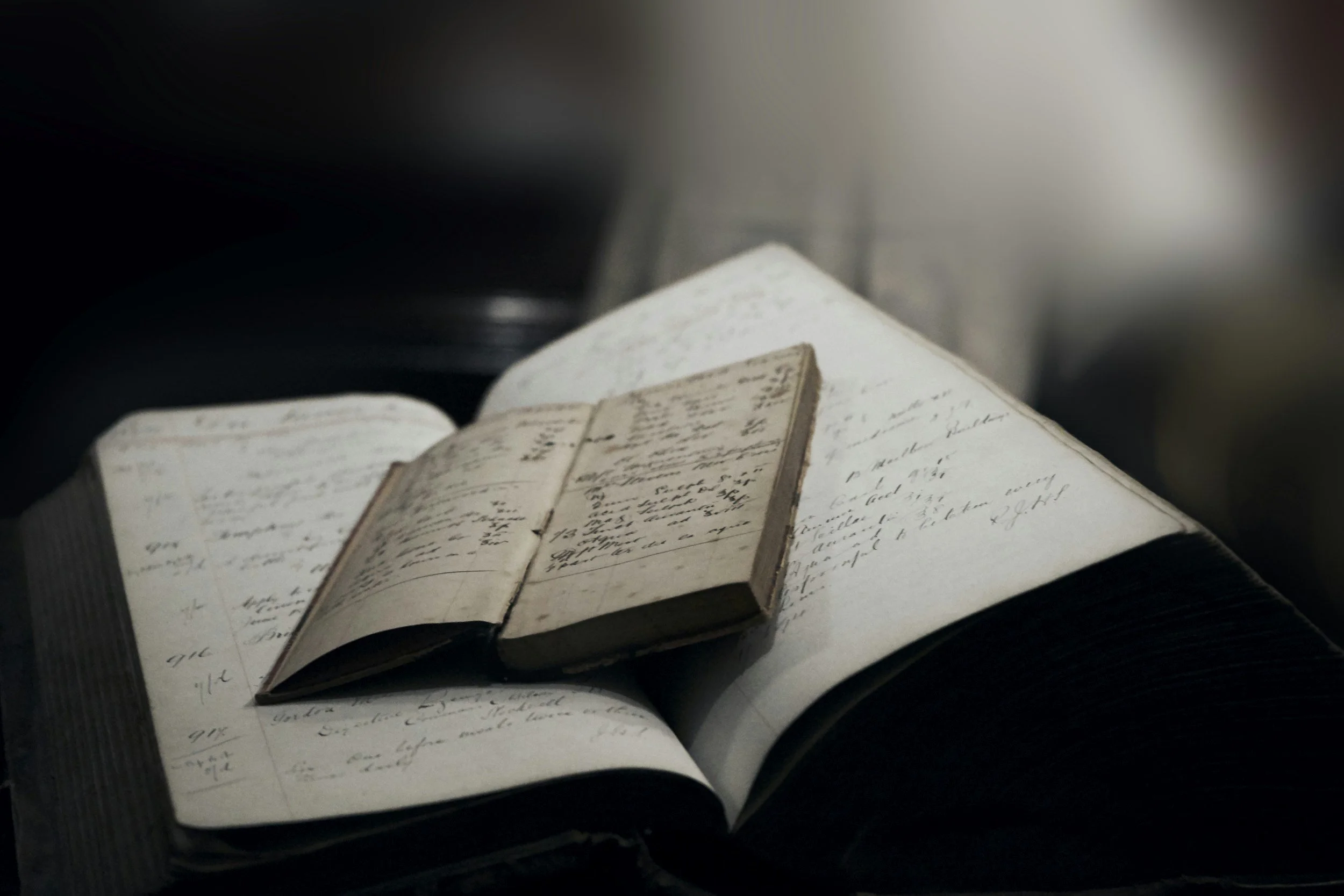
What Makes These Narratives Valuable
What Makes These Narratives Valuable
The WPA Slave Narratives can tell you things other records can't:
Family structure before and after emancipation. Who raised them. Who they were sold away from. How families reunited after freedom.
Daily life details. What they ate, wore, what kind of work they did. The texture of everyday survival.
Geographic specificity. Exact locations of plantations. Names of enslavers. Counties where they lived.
Post-emancipation experiences. Where they went after freedom. How they survived. What they built.
Proof of existence. For ancestors who appear nowhere else in writing, these narratives are sometimes the only documentary evidence they lived at all.
Why We Have to Read Them Carefully
But here's what complicates these interviews.
Most of the interviewers were white. In the South, many were children or grandchildren of former enslavers.
The people being interviewed knew this.
When a white interviewer asked an elderly Black person in 1937 Georgia to describe slavery, what was safe to say?
Not the truth about beatings, sexual violence, family separations. Saying those things to a white stranger with a notepad could still be dangerous.
So many narrators told stories that would satisfy the interviewer. They emphasized loyalty to "kind" enslavers. They downplayed violence. They performed a version of the past that wouldn't get them hurt.
The dialect was often exaggerated or fabricated. Many interviewers wrote the narratives in heavy dialect, dropping letters, misspelling words phonetically. But we know from other sources that many of these same people spoke clearly and articulately.
The dialect wasn't transcription. It was editorial choice.
When you read "Dat makes me right at 87 years old," you're not hearing the narrator's actual voice. You're hearing how the white interviewer chose to render it.
What I Look For When Reading Slave Narratives
Read for facts you can verify. Names of enslavers, locations, siblings' names, birth years. Cross-reference with census records, estate inventories, county histories.
Notice what's said and what's not said. If a narrative emphasizes "good food" and "kind treatment," ask what's being avoided. Silence around violence doesn't mean violence didn't happen.
Look for moments of resistance or agency. Learning to read in secret. Escaping temporarily. Protecting family members. Celebrating emancipation. These moments show how people survived, not just what was done to them.
Pay attention to post-emancipation experiences. Where they went after freedom. How they found work. How they reunited with family. This is often more candid because it felt safer to talk about.
If understanding how documentation shapes historical memory and how to read records critically resonates with you, you can join my newsletter here
Why These Narratives Matter Now
The WPA Slave Narratives exist because someone decided these voices mattered enough to preserve.
In 1936, most of white America wanted to move on from slavery. Wanted to forget. Wanted formerly enslaved people to die quietly without leaving a record.
But the Federal Writers' Project said: No. We're going to document this. We're going to preserve these voices.
That act of documentation was political. It was an acknowledgment that these lives and these stories belonged in the historical record.
We're living in another moment when documentation matters. When being witnessed matters. When creating a record for future generations matters.
Communities right now are documenting what's happening. They're filming. They're writing. They're preserving testimony.
This isn't "making things tense." This is historical work.
Because what doesn't get documented can be denied later. What isn't preserved can be erased.
Our ancestors understood that. They sat for those interviews knowing their words would outlive them.
The Archive Is Always Incomplete
Here's what genealogy teaches you eventually: the official archive is incomplete by design.
It documents compliance. It tracks who showed up, who paid taxes, who followed the rules.
But resistance? Care? Organizing? That rarely gets written down.
Which is why so much of what our ancestors did to survive lives in oral history, not official records.
The WPA Slave Narratives are part of that counter-archive. Imperfect, yes. Mediated by white interviewers, yes. But still: voices that wouldn't exist otherwise.
When we work with these narratives, we honor both what they reveal and what they obscure. We don't take them at face value, but we don't dismiss them either.
We read carefully. We cross-reference. We contextualize.
Because documentation is power. And preserving voice—even imperfectly—matters.
How We Work with Slave Narratives
When we find a WPA Slave Narrative for a client's ancestor, we don't just hand it over.
We contextualize it. We verify the details. We connect it to other records. We help families understand both what the narrative reveals and what it might be obscuring.
If you suspect your ancestor might have been interviewed, or you've found a narrative but aren't sure what to do with it, this is exactly the kind of research we do for our clients.
We handle the interpretation, the cross-referencing, and the storytelling so you receive the complete picture. Book Your Discovery Call