Some of the most valuable records in your family research aren't in an archive. They're in the memories of the relatives who are still here to share them.
They're also some of the most delicate. When you're asking an elder about the past, you may be asking about hardship, loss, migration under pressure, or experiences they've never said out loud. How you approach that conversation can shape whether you get a story, a closed door, or something in between.
Here's an approach that may help have those potentially difficult conversations with relatives.
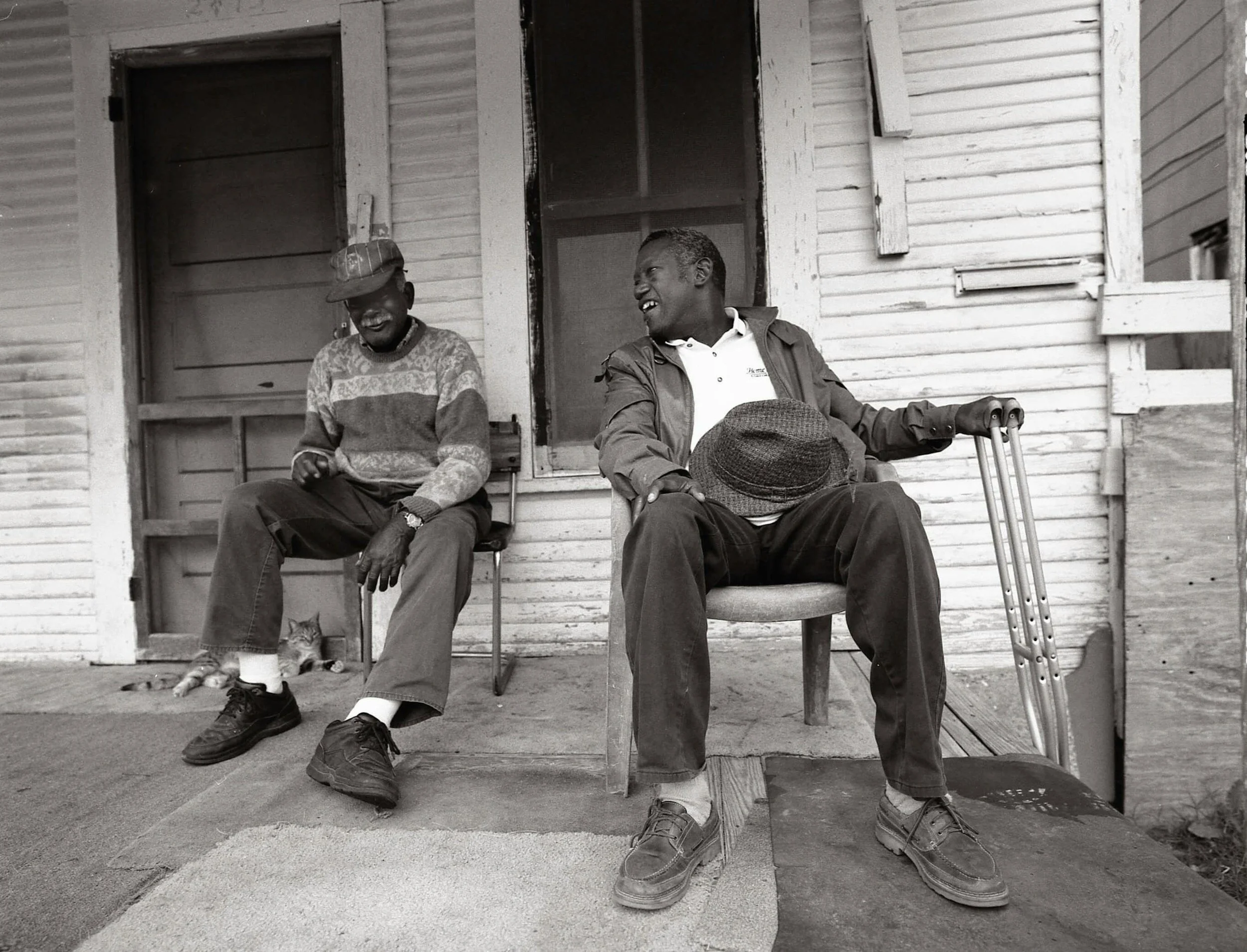
Start somewhere that feels safe
Start somewhere that feels safe
If you're hoping to talk with a relative about a topic that may bring up painful memories, starting by just going straight to the question you most want answered will likely cause them to shut down and stop the conversation.
Instead, begin with something neutral and easy. School is a wonderful place to start.
"What was your school like when you were growing up?"
"Do you remember a teacher you liked?"
"What did you walk past on your way there?"
These questions do a few things at once. They're easy to answer, so the person settles in. They invite memory in a low-stakes way. And they often drift, naturally, toward bigger moments. Someone describing the walk to school may mention a neighbor, a church, a move, a family member who left.
This may inadvertently lead you to learning about parts of their life you’d never have known about otherwise.
Let them lead
When you ask open-ended questions and then listen, people often take the conversation exactly as far as they're comfortable going.
A few ways to practice that:
Ask open questions, not yes-or-no ones. "Tell me about the house you grew up in" invites more than "Did you grow up in a house?"
Follow their thread, not your list. If they mention an aunt you've never heard of, ask about her, even if she isn't on your agenda. You can circle back to your own questions later.
Let silence happen. A pause isn't a problem to fix. Often it's someone deciding what to say next. Consider counting to 5 or even 10 silently while you give space for the pause.
Echo what they say. Repeating a detail back ("You said the kitchen always smelled like cornbread?") shows you're listening and often opens more memory.
Don't correct them. If a date or a name doesn't match your records, note it quietly and verify later. Stopping to fact-check mid-story can end the conversation abruptly.
Keep in mind that memories aren’t usually 100% accurate, and that’s ok because those memories are a way of holding experience, and the details may shift while the emotional truth stays real. You can reconcile the two afterward.
Make room for "I'd rather not"
Some topics may be too painful, or too private, for someone to share, at least right now and that's a decision that belongs to them.
If a relative changes the subject, goes quiet, or says they don't remember, you can gently let it go. Something like "That's okay, we can talk about something else" keeps the door open without pressure. Some people circle back days, months, or years later, once they've seen that the space is safe.
It also helps to be clear about what you're doing and why. Letting someone know you're collecting stories so the family's history isn't lost, and that they can decide what to share, can ease a lot of worry.
If stories and approaches like these support your own journey, I talk more about these topics in the newsletter. You can join my newsletter here.
Practical things that help
Choose a comfortable setting. Their kitchen table is often better than a formal sit-down.
Keep sessions short. An hour is plenty. Several shorter conversations often work better than one long one.
Bring something to look at. A photograph, a church program, or an old address can prompt memories more gently than a direct question.
Take care of yourself, too. What you hear may be heavy. It's reasonable to pause, process, and reach out for support if you need it.
Why it's worth the care
When someone shares a hard memory with you, they're trusting you with something that mattered. Handled with patience, these conversations can bring families closer. They can also give you details no record would ever hold, like the name people used for someone, the reason a family moved, or how a hard season was survived.
And sometimes they give the person speaking something too: the experience of being listened to.
I can't promise every conversation will unlock a family secret, or that every relative will be ready to talk. But starting gently gives you the best chance of building the kind of trust that lets stories come out in their own time.
Where to go from here
If there's an elder in your family you've been meaning to talk to, consider starting this week with one simple question about their school days, and see where the conversation goes.